Managing High Blood Pressure and Cholesterol in North Kingstown: What It Looks Like at a DPC Practice
If you've been managing high blood pressure or high cholesterol for a while, you've probably run into some version of this: you get a diagnosis, you get a prescription, you're told to come back in three months. Then something shifts and you try to reach someone. Two days of phone tag later, you're talking to a staff member who isn't your provider, reading from your chart, giving you an answer that may or may not reflect what's actually happening with you.
That's not a failure of any particular office. It's what traditional primary care looks like when a physician is responsible for 2,000 patients and every interaction runs through an insurance billing cycle. There's no structural space for anything more.
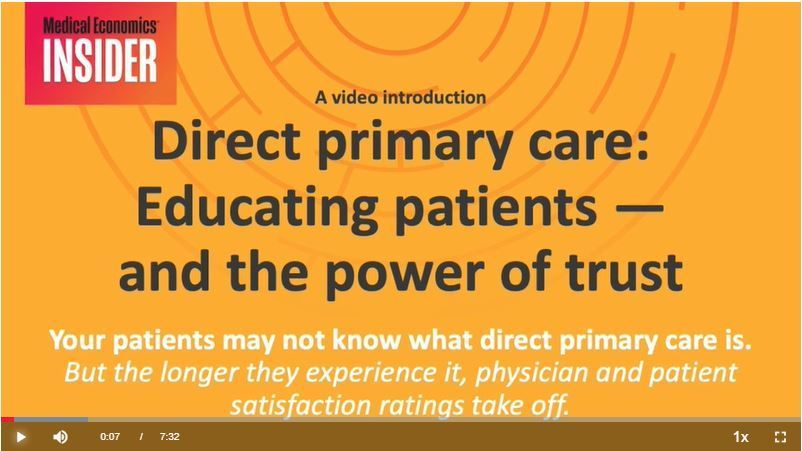
At Rhode Island Direct Primary Care, we run a different kind of practice. And honestly, chronic condition management is one of the clearest examples of why that difference matters.
The Real Problem Isn't the Diagnosis
The CDC reports that nearly half of U.S. adults have hypertension, and a large share of those people aren't well controlled. High cholesterol tells a similar story. The medications exist. The guidelines exist. What's hard is the in-between: catching a trend before it becomes a problem, getting a lab result reviewed before the refill runs out, asking a two-minute question without booking a visit three weeks out.
That's where the traditional model breaks down. Not because the providers don't care, but because the schedule doesn't have room for it.
What Actually Changes Inside a DPC Practice
We keep our patient panel intentionally small. That's the whole structure. It's what makes everything else possible.
When you're managing a chronic condition here, same-day and next-day appointments are the norm. If your blood pressure has been running high on your home monitor all week, you're not waiting weeks to talk about it. You message us directly through the patient portal, or you come in, and you hear back from your actual provider.
Dr. Letitia Horrigan trained in Internal Medicine, which is the specialty specifically designed for adults living with ongoing or overlapping health conditions. Managing blood pressure alongside kidney function, lipid trends, and glucose levels over time isn't outside the scope of a quick visit here. It's the whole point of the visit. You get a provider who has the depth to see those numbers as a connected picture, not separate checkboxes.
Deanna Wright, MSN, AGNP-C brings years of adult primary care experience to that same work. Her focus as an adult gerontology nurse practitioner means she specializes in providing comprehensive healthcare to patients with chronic illnesses, promoting wellness, and disease prevention. Our members know both of their providers. And both of their providers know them.
What We're Tracking, and Why It Takes Time
Good chronic disease management is longitudinal. One blood pressure reading at an annual visit is close to useless. What matters is the pattern: what changed between January and June, whether the adjustment made three months ago is holding, whether the labs are moving the right direction and why.
For patients managing high cholesterol, the American Heart Association is clear that statin therapy paired with lifestyle changes requires ongoing monitoring of both lipid panels and liver function. That is not a once-a-year task. It requires a provider who has time to look at it more than that, and a patient who can actually reach someone when a question comes up between visits.
We also watch for the things that don't announce themselves: kidney function in patients on ACE inhibitors, thyroid levels when cholesterol isn't responding the way it should, blood glucose in patients whose numbers suggest metabolic syndrome rather than two separate conditions happening to coexist. These are not exotic concerns. They're the normal complexity of caring for adults well, and they require time and continuity that a 15-minute visit once a year simply can't support.
What the Membership Changes About All of This
Members pay a flat monthly fee. That covers visits, direct communication, and care coordination without per-visit billing. See how our membership works and what's included.
What the membership actually shifts for chronic disease patients is the incentive to reach out. In a traditional practice, every call is a potential bill. People delay. They wait to see if the reading normalizes. They skip the follow-up they know they should be scheduling.
Here, reaching out costs nothing extra. That one change in the calculus means problems surface earlier, more often, and before they've had time to compound.
Ready to Talk About Your Care?
If you're managing high blood pressure, high cholesterol, or both, and you're tired of the gap between the care you have and the care you know you need, we're worth a conversation. Reach out to our team and we'll walk you through how membership works and whether it's the right fit for where you are now.
We serve North Kingstown and the surrounding South County area. Chronic disease management done well is a long game. We're here for it.